
The Kashmir Hub for Artificial Intelligence Research
Pioneering the future of intelligence through interdisciplinary research and leveraging regional talent and heritage.
Vision & Mission
The Kashmir Hub for Artificial Intelligence Research (KHAIR) will be established as a premier research institution committed to exploring the full spectrum of possibilities in ethical and cutting-edge artificial intelligence research. The KHAIR is dedicated to achieving technological self-reliance and inclusive growth for the region. Its mission is built on two core pillars: first, AI for Kashmiri Language Preservation, which focuses on building the world's most comprehensive Kashmiri Language Corpus and developing essential tools like ASR, TTS, and Machine Translation to digitize the local language; and second, AI for a Healthier Kashmir, which creates local solutions by establishing the J&K Health Data Atlas for data-driven insights and developing AI-Augmented Diagnostics to extend specialist care, particularly to remote health centers. The KHAIR ultimately seeks to build human capital by fostering academic integration and entrepreneurship by driving innovation through purpose-driven AI research and development
The Vision
To create a world where artificial intelligence acts as an augmentation tool for human creativity and problem-solving, driving global well-being and technological equity.
Core Mission
To conduct foundational and applied research in AI, focusing on transparency, ethics, and long-term societal impact, while fostering a diverse, collaborative research ecosystem.
Key Values
- • Integrity: Rigorous, unbiased methodology
- • Collaboration: Open-source and interdisciplinary work
- • Impact: Focus on real-world, positive change
Core Research Pillars
Interdisciplinary research driving the future of artificial intelligence
AI for Kashmiri Language
To preserve and empower the rich linguistic heritage of Kashmir, KHAIR is committed to developing advanced Natural Language Processing (NLP) and speech-based technologies for Kashmiri and other local languages. By building comprehensive datasets of text and spoken language, we aim to create tools such as automatic speech recognition (ASR), text-to-speech (TTS), and machine translation (MT) systems tailored to the unique phonetics, grammar, and dialects of the region. These technologies will not only make digital content accessible to all, including those with limited literacy or visual impairments, but also foster cultural preservation, enable voice-enabled interfaces for public services, education, and healthcare, and bridge communication gaps between local languages and global digital ecosystems.
AI for Healthcare
KHAIR will leverage the power of artificial intelligence to transform healthcare in Jammu & Kashmir by building AI models trained on local, region-specific data. By analyzing electronic health records, diagnostic reports, and medical imaging from the region, these models will be designed to identify unique patterns and risk factors in diseases such as cardiovascular conditions, chronic kidney disease, diabetes, and infectious illnesses. This localized approach will enable predictive analytics, early detection, and AI-augmented diagnostic tools that are tailored to the population’s specific genetics, environment, and lifestyle, ultimately improving public health outcomes and empowering healthcare providers in remote and underserved areas..
AI for Digital Safety
KHAIR will harness the power of artificial intelligence to enhance digital privacy and combat cyberbullying in Jammu & Kashmir. By developing AI-driven tools that monitor, detect, and flag harmful online behavior, we will create safer digital spaces for both men and women. These systems will leverage natural language processing and pattern recognition to identify harassment, offensive content, and privacy breaches in real time, while respecting individual data rights. Additionally, AI will support educational interventions and personalized alerts, empowering users to protect their personal information, report abuse, and engage online responsibly, thereby fostering a more secure and inclusive digital environment.
Robotics & Embodied AI
KHAIR will explore Robotics and Embodied AI at a small scale by developing compact, low-cost robotic platforms that can learn and interact with their environment. Using modular hardware, open-source software, and simulation tools, we will experiment with perception, navigation, and task execution in controlled settings. These small-scale robots will serve as testbeds for AI algorithms, allowing researchers and students to prototype, iterate, and refine intelligent behaviors before scaling up to more complex systems. This approach will make advanced robotics research accessible, practical, and cost-effective for local innovation.
Interested in Collaborating?
Our research is open to partnerships with academia and industry.
Get In TouchFeatured Projects
Real-world applications of our AI research making tangible impact
Virtual Speech Therapist (AI)
This project aims to develop the Virtual Speech Therapist (VST), an agentic, AI-powered workflow designed for automated stuttering assessment and personalized therapy planning. VST integrates deep learning-based stuttering classification and multi-agent large language model (LLM) reasoning to support evidence-based clinical decision-making. The workflow begins with the acquisition and feature extraction of patient speech samples, followed by robust classification of stuttering types. Building on these outputs, VST initiates an agentic reasoning process in which specialized LLM agents autonomously generate, critique, and iteratively refine individualized therapy plans. A dedicated critic agent evaluates all generated therapy plans to ensure clinical safety, methodological soundness, and alignment with peer-reviewed evidence and established professional guidelines. The resulting output is a comprehensive, patient-specific therapy draft intended for clinician review. Incorporating clinician feedback, the system then produces a finalized therapy plan suitable for patient delivery, thereby maintaining a clinician-in-the-loop paradigm. A functional prototype has already been developed and evaluated by international clinicians. Their expert assessment confirms that VST consistently generates high-quality, evidence-based therapy recommendations. These findings demonstrate the system’s potential to augment clinical workflows, reduce clinician burden, and improve therapeutic outcomes for individuals with speech impairments.
In Collaboration with
Microsoft, TU Munich/Imperial College London, Inria Research Institute, CNRS et Université Paul-Valéry Montpellier, Portuguese Catholic University, IAI, TCG CREST
NLP for Kashmiri Language
To preserve and empower the rich linguistic heritage of Kashmir, KHAIR is committed to developing advanced Natural Language Processing (NLP) and speech-based technologies for Kashmiri and other local languages. By building comprehensive datasets of text and spoken language, we aim to create tools such as automatic speech recognition (ASR), text-to-speech (TTS), and machine translation (MT) systems tailored to the unique phonetics, grammar, and dialects of the region. These technologies will not only make digital content accessible to all, including those with limited literacy or visual impairments, but also foster cultural preservation, enable voice-enabled interfaces for public services, education, and healthcare, and bridge communication gaps between local languages and global digital ecosystems.
AI for Healthcare
KHAIR will leverage the power of artificial intelligence to transform healthcare in Jammu & Kashmir by building AI models trained on local, region-specific data. By analyzing electronic health records, diagnostic reports, and medical imaging from the region, these models will be designed to identify unique patterns and risk factors in diseases such as cardiovascular conditions, chronic kidney disease, diabetes, and infectious illnesses. This localized approach will enable predictive analytics, early detection, and AI-augmented diagnostic tools that are tailored to the population’s specific genetics, environment, and lifestyle, ultimately improving public health outcomes and empowering healthcare providers in remote and underserved areas.
AI for Agriculture and Plant Science
KHAIR will harness AI for Agriculture and Plant Omics, leveraging machine learning to analyze genomic, transcriptomic, and metabolomic data from local crops. By integrating these multi-layered biological datasets, AI will help identify traits for higher yield, disease resistance, and climate adaptability, tailored to the unique agro-climatic conditions of Jammu & Kashmir. Small-scale sensor networks and imaging systems will monitor plant health and growth in real time, enabling data-driven decision making for farmers and researchers, while fostering sustainable and precision agriculture practices in the region.
Want to Work with Us (Internships)
The KHAIR offers hands-on internship opportunities for students passionate about applying AI and technology to solve real-world challenges. We are particularly interested in candidates eager to work in areas such as AI for Life Sciences and Healthcare, Natural Language Processing (NLP), Cyber Bullying detection, AI for Agriculture, Robotics, and Religious Phobia content detection. If you are driven to build a prototype or product from the ground up, this is your chance. Join us to gain meaningful experience, expert mentorship, and contribute to projects that make a tangible impact.
Have a Project in Mind?
We're always looking for new challenges and collaborations. Whether you're from academia, industry, or government, let's work together to push the boundaries of AI.
Start a CollaborationNews
Papers, Code, Product
Virtual Speech Therapist Agent
The paper introduces Virtual Speech Therapist (VST), an AI system that automates stuttering assessment and therapy planning. It uses deep learning to classify stuttering, followed by multi-agent LLMs to generate and refine personalized therapy plans, which are then reviewed for safety and evidence alignment. Clinicians approve the final plan. Expert evaluations confirm VST produces high-quality, evidence-based recommendations, aiming to assist clinicians and improve patient outcomes.
View Collaborators
Open Internship Projects
The KHAIR Team
Meet the brilliant minds driving innovation in artificial intelligence

Dr. Shakeel A. Sheikh
Founder
Research Scientist, Novartis AG
Switzerland
Biography: I am Dr. Shakeel A. Sheikh, a researcher in AI for Healthcare, currently working as a Data Science Innovation Fellow at Novartis AG, Switzerland. My work focuses on advancing AI for target identification in oncology, including in-silico perturbation of scRNA-seq using foundation models and LLMs for proteomics and agentic workflows.
Previously, I served as a Postdoctoral Scientist at the Idiap Research Institute (EPFL, Switzerland) and Bielefeld University (Germany), where I worked on self-supervised learning, graph neural networks for healthcare applications. I hold a PhD from the University of Lorraine (Inria Research Institute), where I developed deep learning systems (StutterNet) for audio-based stuttering detection, contributing several peer-reviewed publications in top journals and conferences (IEEE JBHI, Neurocomputing, IEEE JSTSP, ICASSP, EUSIPCO, ACM Multimedia). My research spans multimodal deep learning, speech and audio processing, medical imaging, graph neural networks, and large language models, with applications across healthcare diagnostics, oncology, and low-resource NLP. I have been awarded prestigious fellowships and grants, including support from the Swiss National Science Foundation, German Humboldt Foundation, and multiple international summer schools (OxML, LxML, ALPS, DeepLearn).
Beyond research, I actively collaborate across academia and industry, teach graduate-level deep learning courses, and review for leading IEEE/ACM journals. I am also the founder of two educational and AI-driven initiatives:
Kashmir Guidance — supporting students pursuing international education.
I am passionate about building impactful AI systems—spanning healthcare problems that drive scientific discovery and improve human health.
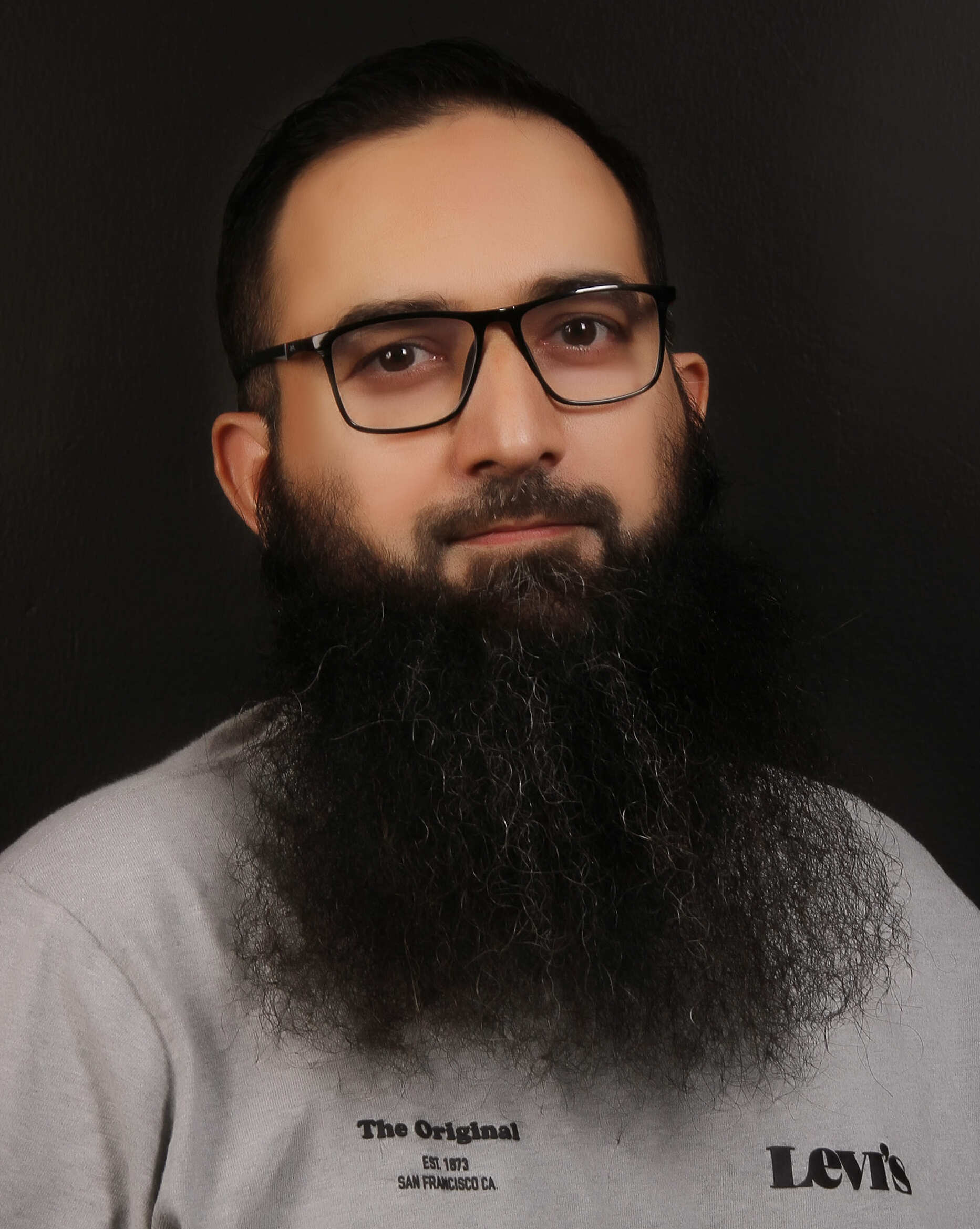
Dr. Dawood A. Khan
Principal
Research Engineer
Dubai, UAE
Biography: He earned his Ph.D. in Computer Science from Inria, France, and completed his postdoctoral research at LAAS-CNRS, Toulouse, France. He is a seasoned technology executive and strategic leader with a distinguished career driving innovation and architecting large-scale distributed systems across e-commerce, supply chain, and healthcare sectors. His expertise lies in leveraging cutting-edge technologies, including Artificial Intelligence and Machine Learning (AI/ML), to deliver transformative, customer-centric solutions. A hands-on leader with a proven track record of aligning technical vision with business objectives, he excels at leading cross-functional teams through the entire product lifecycle—from ideation to deployment. He is recognized for exceptional people management and a collaborative leadership style, fostering cultures of mentorship, continuous learning, and operational excellence. Passionate about emerging technologies, his work is characterized by a pragmatic, problem-solving approach to translating complex challenges into robust, high-performance systems.
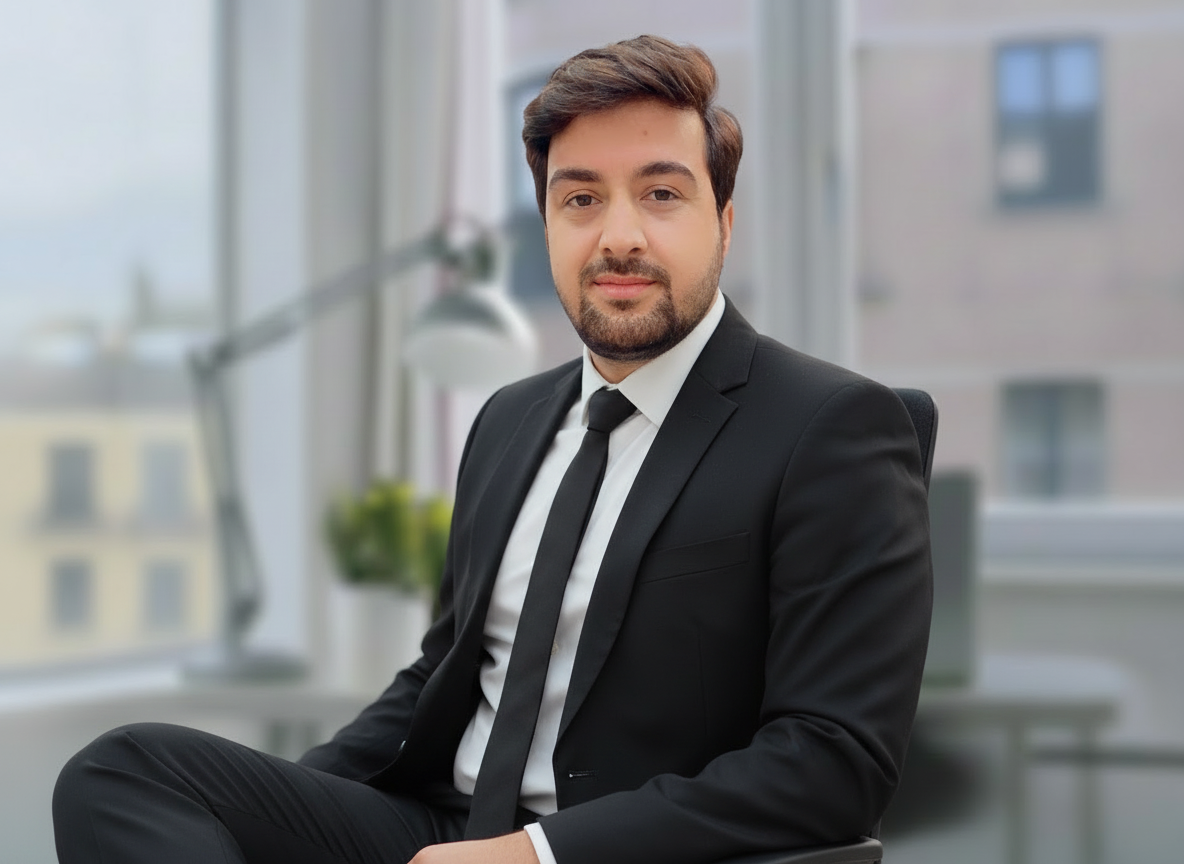
Dr. Mudasir A. Wani
Assistant Professor
Imam Mohammad Ibn Saud Islamic University (IMSIU), KSA
Biography: He obtained his Ph.D. in Computer Science from Jamia Millia Islamia (A Central University), New Delhi, India, in 2019. He is currently working as an Assistant Professor at Imam Mohammad Ibn Saud Islamic University (IMSIU), Riyadh, Kingdom of Saudi Arabia. He has served as a Researcher in NLP at Prince Sultan University, KSA, and as a Lecturer at the Department of Information Security and Communication Technology (IIK) at the Norwegian University of Science and Technology (NTNU), Norway. He pursued his postdoctoral research at the Norwegian Biometrics Laboratory (NBL), NTNU, Norway. He is the recipient of the Alain Bensoussan Fellowship award under the European Research Consortium for Informatics and Mathematics (ERCIM), Sophia Antipolis Cedex, France. His research focuses on extracting and analyzing social data and applying different statistical and deep learning techniques in developing prediction models.
Dr. Sheikh Idrees
Research Scientist
Norwegian University of Science and Technology
Biography: He is a researcher, educator, and technologist passionate about exploring how decentralized systems, intelligent technologies, and data-driven solutions can shape the future. With a Ph.D. in Computer Science, he has worked across academia and industry, focusing on making blockchain and digital systems more scalable, trustworthy, and interoperable. His work brings together DLT, blockchain, machine learning, privacy, data analytics to build smarter and more reliable digital ecosystems. A Certified Enterprise Blockchain Architect, he enjoys transforming ideas into practical innovations, mentoring students, and collaborating with international teams. Driven by curiosity and a love for problem-solving, Idrees continues to explore emerging technologies while inspiring others to think boldly, experiment freely, and create impactful solutions.
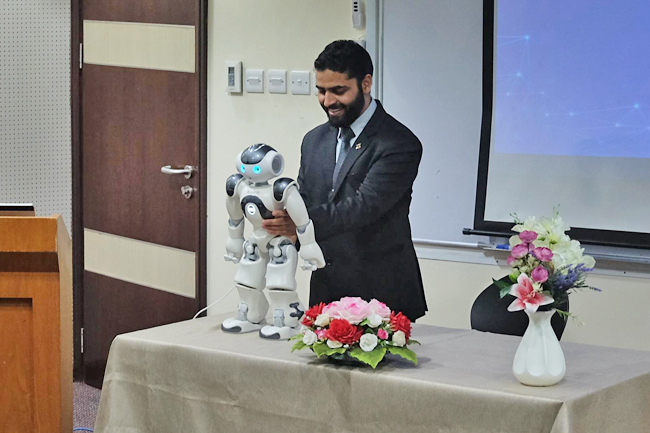
Dr. Ajaz A. Bhat
AB Lab
Assistant Professor
Universiti Brunei Darussalam
Dr. Ajaz Ahmad Bhat leads research in cognitive robotics, AI, and brain-inspired computing systems. His work focuses on developing intelligent robots that can learn, reason, and adapt like biological systems. He is currently an Assistant Professor of Intelligent Robotics at the Faculty of Digital Science, Universiti Brunei Darussalam, Brunei, and a visiting researcher at the Okinawa Institute of Science and Technology, Japan. Prior to this posting, he worked as a Senior Research Associate at the University of East Anglia, UK, and then as an Assistant Professor at the University of Twente, Netherlands.
Biography: Ajaz's research interests lie at the intersection of intelligent robotics, cognitive sciences, and consumer technologies with a special focus on understanding and designing developmental and cumulative learning systems. His research outputs have been published in more than 15 journal articles with some of them in top-tier journals such as Psychological Review and Autonomous Robots. His work on Causal Learning in Robots was covered in top conferences like ICML and by media outlets such as BBC. He has been involved in multiple international research projects such as EU's FP7 DARWIN and NIH's WOLVES. Ajaz retains memberships of both IEEE and APS societies in addition to holding a Ph.D. in Cognitive Robotics from the Istituto Italiano di Tecnologia (IIT), Italy.
International Collaboration
Join our network of world-class partners and collaborators, forging international alliances to advance the frontier of AI
Dr. Patrick Marmaroli
ML Research Scientist, Miscrosoft
Dr. Yacouba Kaloga
Research Scientist, EPFL, Switzerland
Dr. Md Sahidullah
Research Scientist, TCG CREST, India
Get In Touch
Ready to collaborate? Interested in doing internship.
Appy for Internships
(Send your CV link in Message)
Official Details
-
📍 The KHAIR, Basel, Switzerland📍 The KHAIR, Jammu & Kashmir, India
- 📞 +41 77 22 40 603
- 📞 +91 9906 12 34 56
- 🔗 thekhair.github.io